Product Master
हा आशय अद्याप मराठीत उपलब्ध नाही.
The produce catalogue defines what can be bought and sold, in what units, at what grades and with what shelf life.
Overview
Section titled “Overview”A produce Item record is created once and referenced from then on. Because transactions copy their defaults from it, a change here changes the behaviour of every future document — but never a document already posted.
Prerequisites
Section titled “Prerequisites”Before you begin
- You have the Create permission for Produce Item
- The classification groups you need already exist
Opening the screen
Section titled “Opening the screen”- Products
- Product Master
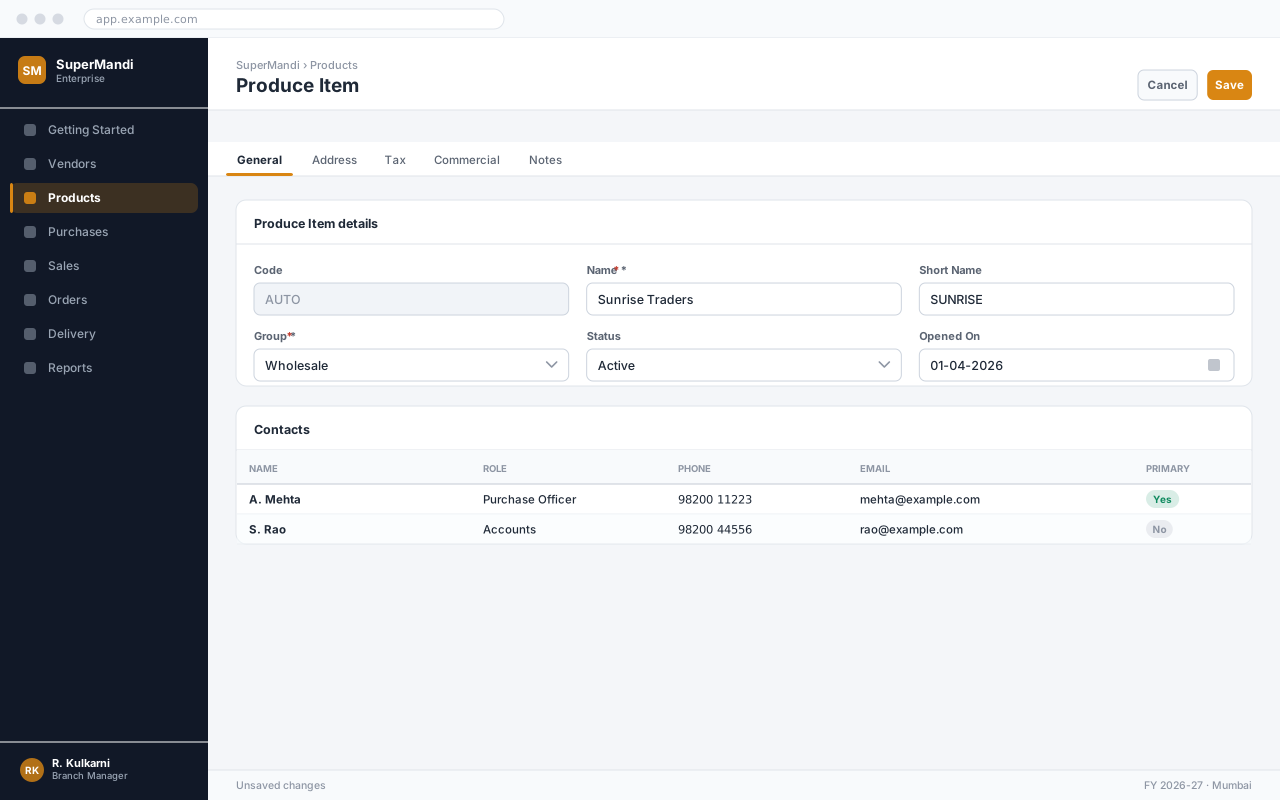
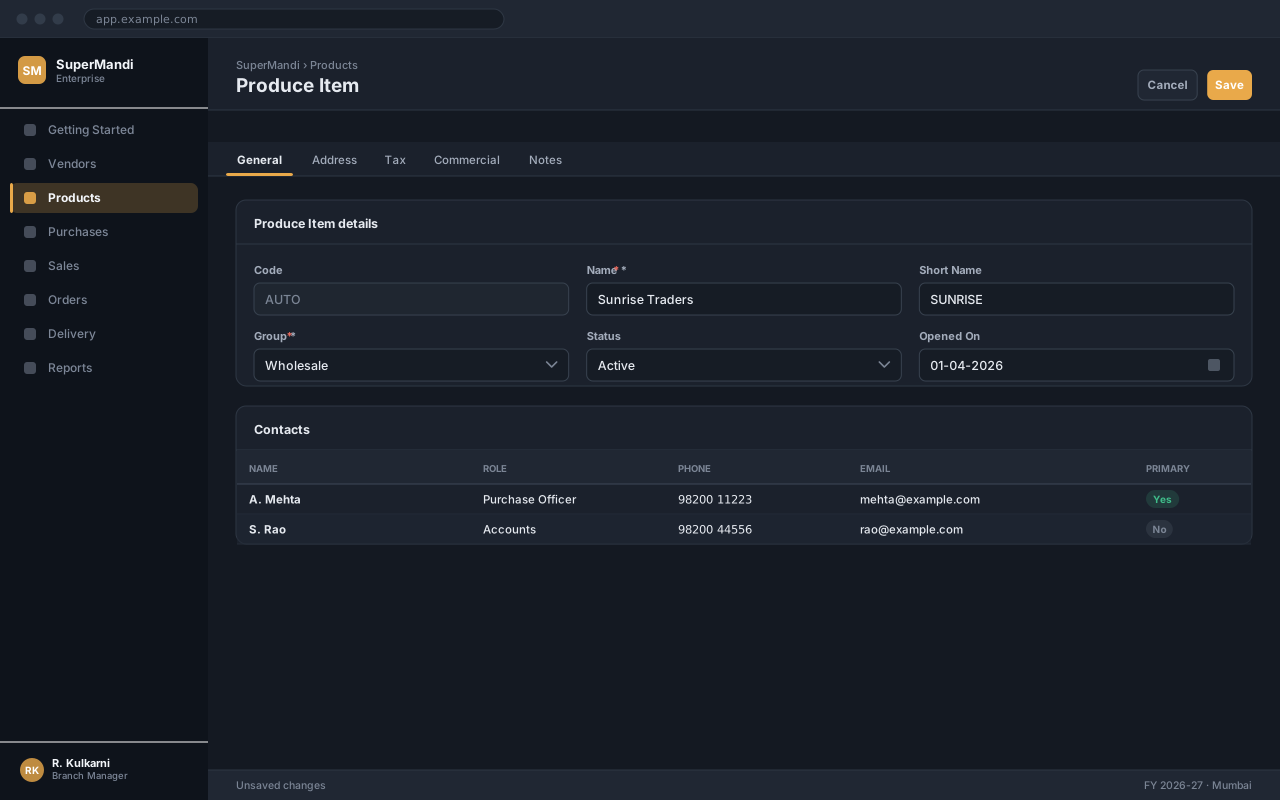
Creating a produce Item
Section titled “Creating a produce Item”Open the Produce Item list
The list shows every produce Item record you have access to, newest first. Use the search box to check whether the record already exists before creating a duplicate.
Start a new record
Click New. Produce Item opens with the code field already filled from the numbering series.
Complete the required fields
Fill every field marked with a red asterisk. The Save button stays disabled until all of them are valid.
Save the record
Click Save. The record becomes available to transactions immediately — there is no separate approval step.
अपेक्षित परिणाम
The record is saved, a code is allocated, and the produce Item immediately appears in transaction lookups.
Field reference
Section titled “Field reference”| Field | Type | Required | Default | Description | Notes |
|---|---|---|---|---|---|
| Item Code | Auto | Read-only | — | Allocated on save. | |
| Item Name | Text | Yes | — | Produce name as shown to buyers. | |
| Category | Dropdown | Yes | — | Catalogue classification. Drives the rate board grouping. | |
| Base UOM | Dropdown | Yes | KG | Unit stock and rates are held in. | Locked once transactions exist. |
| Grades | Grid | Yes | — | Permitted grades, e.g. A, B, C, with a rate differential each. | |
| Shelf Life (Days) | Number | Yes | — | Drives the expiry warning and the FIFO pick order. | |
| Crate Type | Dropdown | No | — | Default returnable crate used for this item. | |
| Wastage Tolerance % | Percent | No | 2 | Weight loss accepted between gate receipt and dispatch without a variance note. | |
| Status | Dropdown | No | Active | Inactive items are removed from the rate board and new orders. |
Produce Item fields
Important notes
Section titled “Important notes”Common problems
Section titled “Common problems”The Save button is disabled
A required field is empty or invalid. Fields in error are outlined in red with the reason underneath — scroll up, the first error is usually in the header.
You do not have permission to perform this action
Your role is missing the relevant permission for this screen. Ask an administrator to check it against Roles & Permissions.
Frequently asked questions
Section titled “Frequently asked questions”Can I delete a produce Item record?
Not once it has been used on a transaction — deleting it would break the audit trail and every document that refers to it. Set Status to Inactive instead, which hides it from new transactions while keeping history intact.
Why does a produce Item not appear in the lookup?
Lookups list active records only. Open the record and check that Status is Active, and that its group is one your role is allowed to use.
Can two records share a name?
No. Names must be unique so that reports and lookups are unambiguous. Add a distinguishing suffix, such as a city or branch, if you genuinely have two similar records.